
The piece looks close, but does not fit.
Fit checkingCompare corners, edges, and the open space before moving again.
Skills
KidSpatial puzzles focus on rotation, visual comparison, planning, and flexible problem solving. Start with a free puzzle, then use these skill notes to understand what each path practices.
Skills are lenses for noticing what a puzzle asks the child to do. They are not badges, tests, or fixed labels.
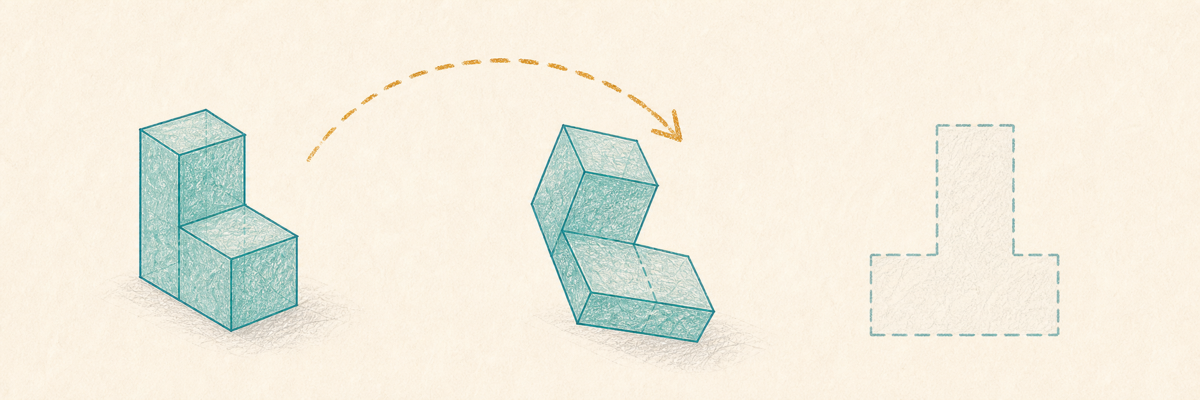
Children compare the same shape in different directions and learn to inspect what changes after a turn.
Read skill note 02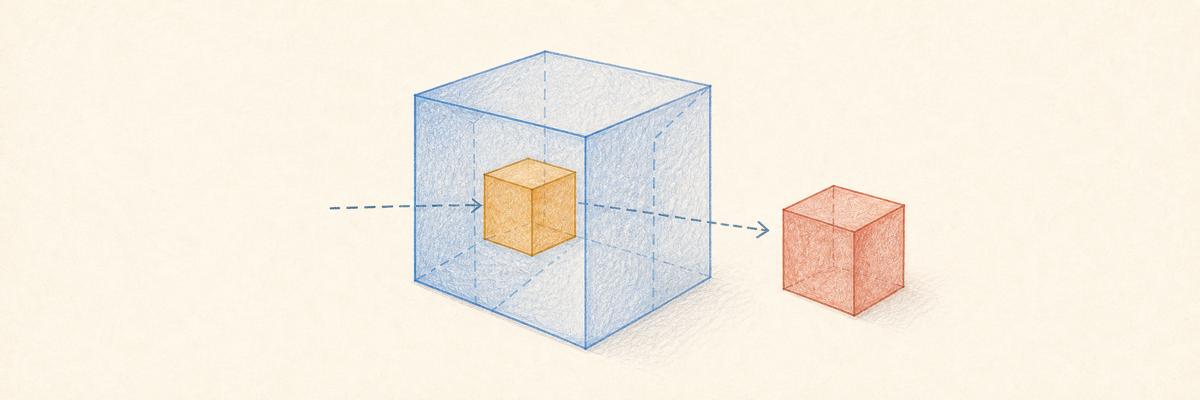
Puzzles make spatial relationships visible: beside, inside, corner, edge, open, and filled.
Read skill note 03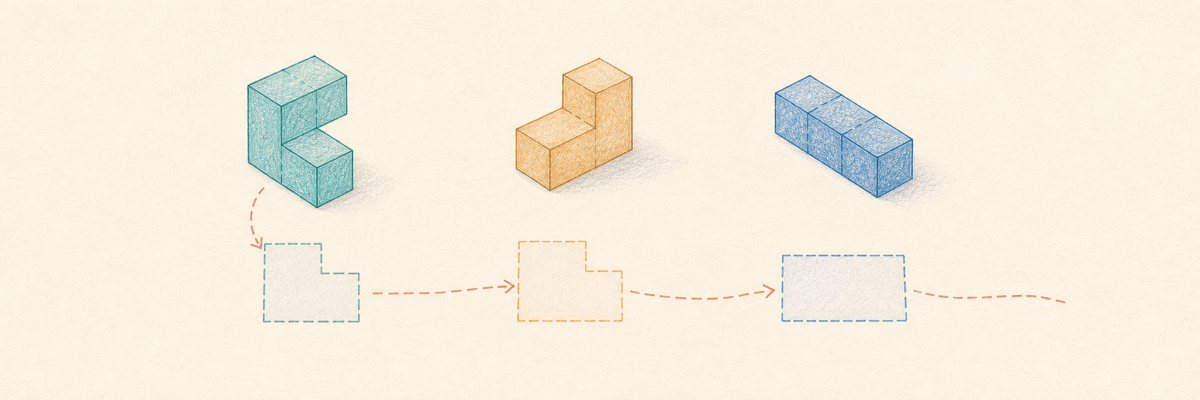
Children practice looking ahead: where a piece can go now, and what space remains for the next move.
Read skill note 04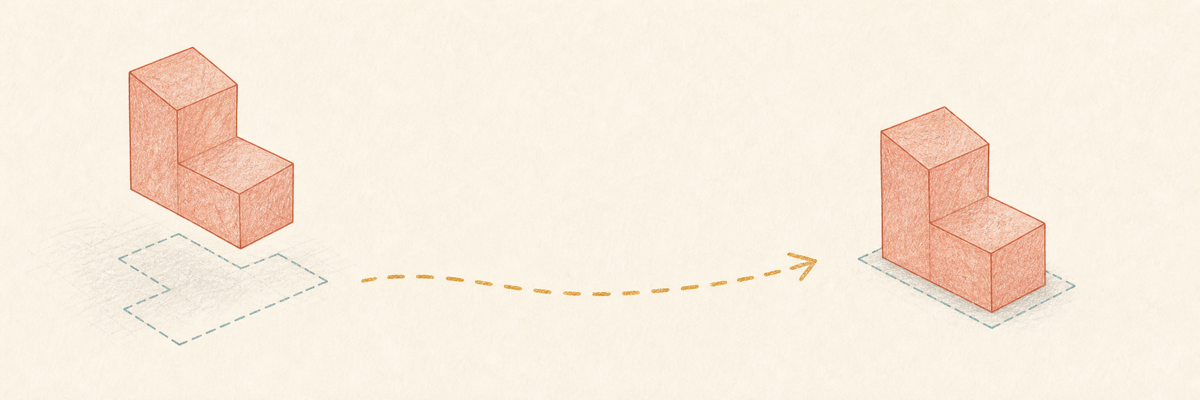
A puzzle can stay calm while still asking the child to notice an error and revise the next move.
Read skill note 05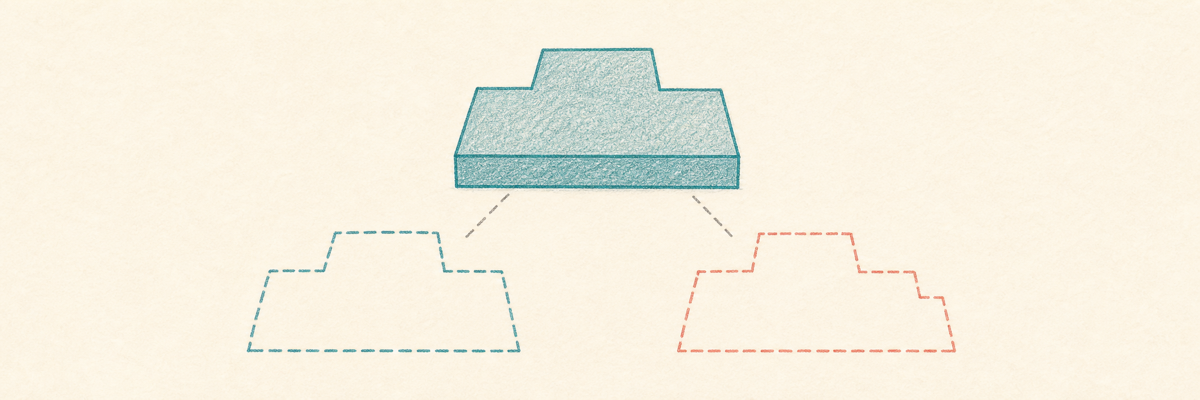
Children learn to pause before placing and check whether a piece truly matches the space.
Read skill note 06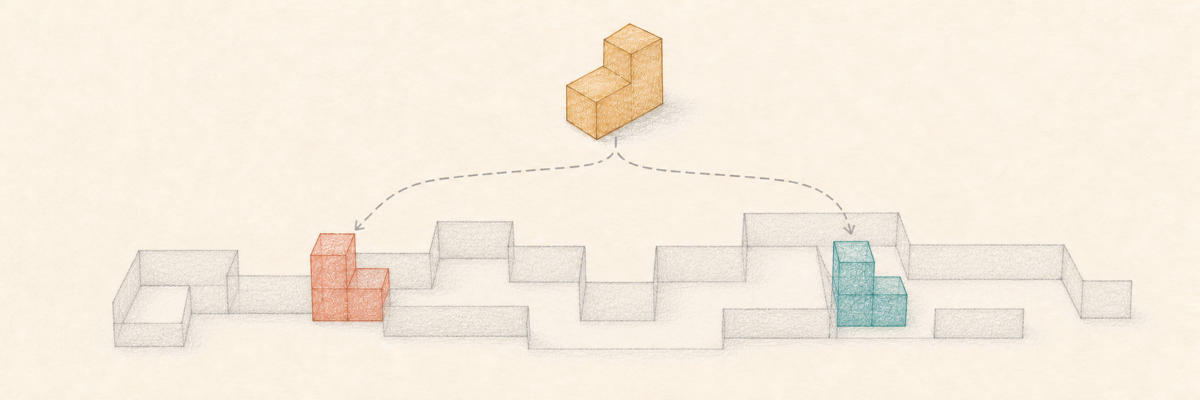
Tighter boards help children see how one placement can open a path or create a blocked gap.
Read skill noteHow to read a puzzle moment
A parent only needs one visible cue. Watch the moment, name what is happening, and keep the next move small enough to try.
Compare corners, edges, and the open space before moving again.
Notice what changed after the piece turned.
Look for the piece that may need space later.
Choose one piece and one open space instead of scanning the whole board.
Age paths plus skill paths
Use age paths to choose an initial difficulty. Use skill paths to understand what the puzzle is practicing and what kind of support may help at home.
Explore age pathsConcrete matching, first turns, and simple target spaces.
Readable boards, independent turning, and fit checking.
More abstract pieces, tighter fits, and planning before placing.
Denser boards, longer planning, and sustained puzzle solving.
Short parent-readable notes support the free puzzle path without burying the main play action.
Position, relation, movement, and scale in plain language.
Research noteA careful note on spatial practice without broad outcome claims.
Parent promptWords like turn, edge, corner, beside, and open can guide attention.
At homePrompts that keep thinking moving without giving the answer.
Start with one puzzle